Table of contents
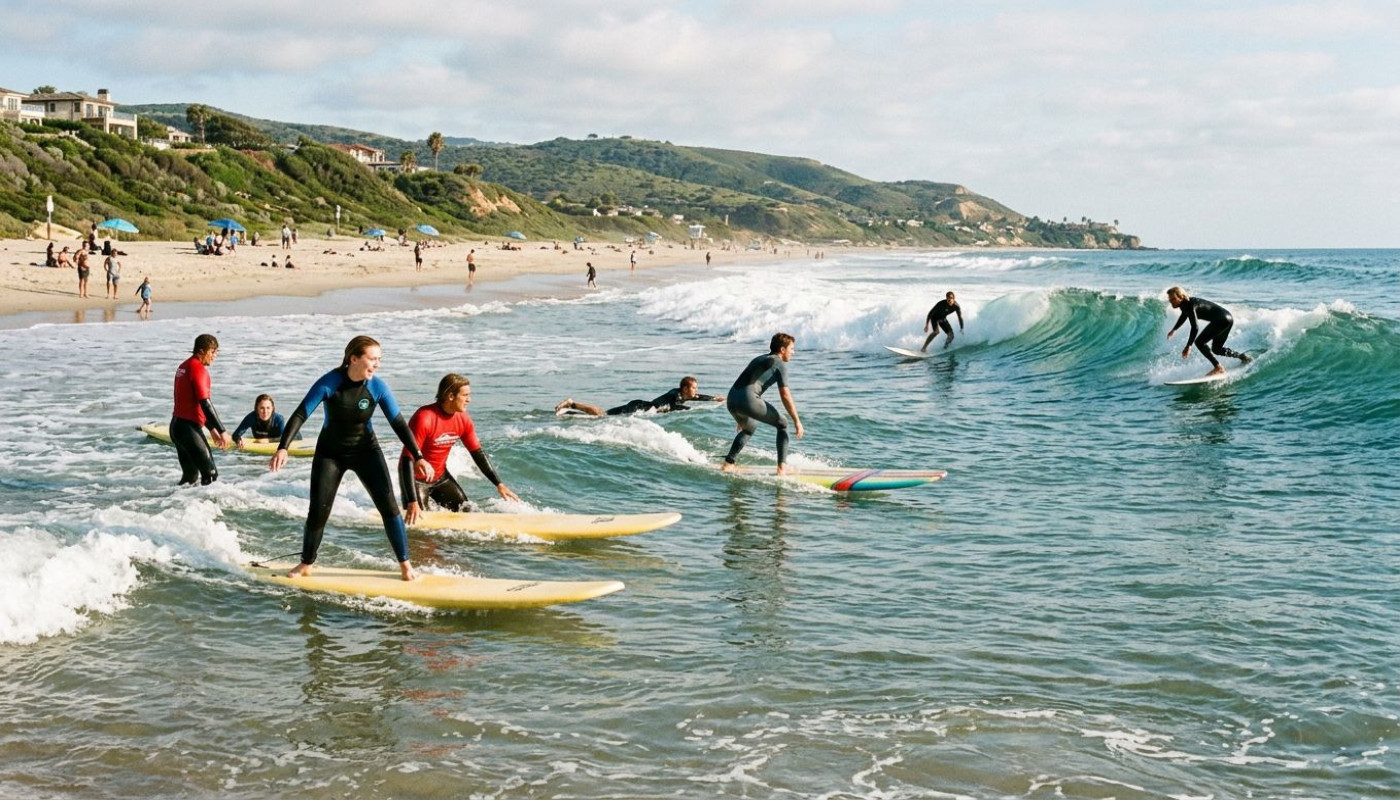
Surf schools have multiplied along Europe’s Atlantic coast, but the most striking shift is not the number of boards on the sand, it’s the way lessons are being redesigned around the student. In places like Lacanau, where beach breaks can turn from forgiving to demanding in a single tide, one-size-fits-all instruction often collapses under real conditions. The result is a quieter revolution in coaching: shorter feedback loops, smaller groups, and sessions built around ocean reading as much as technique, because progression depends on what the sea serves up that day.
Personal coaching replaces one-size-fits-all lessons
Progress rarely follows a straight line, and in surfing it can feel brutally non-linear: one morning you pop up three times in a row, the next you can’t even get past the shorebreak. Tailored lesson “formulas” have emerged as a response to that frustration, with coaches structuring sessions around a student’s current bottleneck rather than a standard checklist. For beginners, that bottleneck is usually not courage or fitness, it’s timing and positioning, and that means the lesson starts before anyone paddles out. Where do sets peak, how does the current pull across the bank, what does a closing-out section look like, and when is it safer to wait? These are not theoretical questions; they decide whether a first session becomes a confidence boost or a wipeout reel.
For intermediates, personalization often looks like fewer vague instructions and more measurable objectives, because “paddle harder” and “stand up faster” only go so far. Coaches increasingly break down the take-off into repeatable steps, use land drills that mimic real movement patterns, and choose boards that match the day’s energy, the surfer’s weight, and their balance level. The industry has also moved toward smaller teaching ratios, in part because crowded lineups make control and safety harder, and in part because the quickest improvements come from rapid correction, one wave at a time. On a busy beach break, two minutes of specific feedback can replace half an hour of trial and error, and that is where tailored coaching earns its reputation.
In Lacanau, the ocean sets the syllabus
Here’s the truth that visitors learn fast: Lacanau’s appeal is also its challenge. The Gironde coastline is famous for shifting sandbanks, strong lateral currents, and conditions that change with wind direction and tide height, and those variables can make the same beach feel like several different spots in one week. That is why tailored programs matter more here than in gentler, reef-protected environments. A coach who adjusts the session plan to the tide chart and the forecast is not being fussy, they are doing the most basic form of risk management, while also improving the odds of catching waves that actually help you progress.
Seasonal data underscores the point. Météo-France’s climate normals for the Atlantic façade show a pronounced winter swell regime, with stronger winds and larger, more frequent low-pressure systems, while summer typically brings smaller surf and more predictable patterns. In practical terms, that means a beginner’s experience in July can be about repetition and confidence, whereas a shoulder-season session may require more careful spot choice and stricter rules on where to paddle and when to exit. Local lifeguard services on France’s Atlantic beaches also regularly remind swimmers and surfers that rip currents are a primary hazard, particularly when sandbars create channels that accelerate flow. Tailored instruction translates those warnings into actionable habits: how to identify darker water, how to avoid fighting the current head-on, and how to use it to paddle out when it’s safe.
That context also explains why many travelers now search specifically for a surf lesson in Lacanau Ocean rather than a generic “surf class” nearby. They want someone who knows which bank is working, where the crowd will funnel, and how to turn a shifting beach break into an advantage, because the fastest path to enjoyment is not heroics, it’s choosing the right conditions for the right level.
From first pop-up to cutback, the methods diverge
Surf instruction has become more segmented, and that is largely good news for students. Beginners benefit from structure, repetition, and confidence-building, and modern coaching often reflects that by keeping the first objectives narrow: safe entry and exit, controlled paddling, a stable stance, and a clean ride straight toward the beach. The board choice matters as much as the speech. Wider soft-tops with generous volume reduce the penalty for imperfect balance, and they also increase wave count, which is the single biggest driver of early progress. The best tailored lessons do not overload students with jargon; they curate information so that each correction has a clear purpose, and so that the student leaves knowing exactly what to practice next.
Intermediates, on the other hand, often stall because they can stand up but cannot generate speed or choose the right wave. That is where a tailored formula typically shifts from “make the take-off reliable” to “make decisions earlier”. Coaches will push surfers to angle their take-off, to read sections before they break, and to manage speed with subtle weight shifts rather than frantic pumping. For advanced surfers, personalization becomes even more technical and situational: refining bottom turns, learning when to hit a lip that will actually hold, and adapting lines to the bank and the crowd. At that level, the lesson becomes less about introducing skills and more about sharpening them, with feedback that can be brutally specific, because the margins are small and the ocean punishes hesitation.
There is also a cultural shift in how performance is discussed. Many schools have moved away from macho narratives of “charging” and toward a language of efficiency, safety, and consistency, which aligns better with what most travelers want: to surf more waves, with fewer wipeouts, and to feel in control. That change does not make surfing less demanding, it makes the learning curve more honest, and it is precisely what tailored coaching is designed to deliver.
What travelers should check before booking
Want the session to actually work? Ask practical questions, and listen to the clarity of the answers. Group size is the first filter, because a crowded lesson limits feedback and increases the chance of collisions, especially on beach breaks where everyone drifts. Next comes spot selection: will the instructor choose the bank based on the tide and wind, or will everyone meet in the same place regardless of conditions? Then look at equipment policy. A serious operation can explain why a given board suits your weight and level, and it should have enough range to adjust when the sea changes, because what works in knee-high waves can become a liability when sets jump.
Budget matters, too, and the market in France typically spans single sessions, multi-day packages, and private coaching. Private or semi-private lessons cost more, but they can be cost-effective if you are short on time and want faster progression, while group lessons can be ideal for first-timers who need a supportive atmosphere and plenty of repetition. Travelers should also pay attention to the broader planning details: how far the meeting point is from parking or public transport, whether wetsuits are included, and what happens if conditions become unsafe. In many coastal towns, local tourism offices and surf associations publish seasonal guidance, and it is worth cross-checking any promise of “guaranteed waves” against the obvious reality that surf depends on weather systems, tides, and sandbanks.
Finally, consider timing. Summer offers warmer water and more consistency for beginners, but it also brings crowds, while the shoulder seasons can deliver cleaner swell windows with fewer people in the lineup, at the price of cooler temperatures and more variable conditions. The best tailored programs do not pretend that one period is universally better; they help match expectations to reality, and that is exactly what makes a surf trip feel like a holiday rather than a struggle.
Planning A Surf Stay: Budget, Timing, Safety
Book early in peak season, keep a little flexibility for wind shifts, and plan your budget around the format that suits your goals, because one focused private session can sometimes replace several crowded group outings. If you are eligible for local or youth sports support, check municipal and regional schemes; conditions vary widely. Prioritize safety briefings, and treat tide times as non-negotiable.
Similar

Planning Your Trip: Do Spontaneous City Walks Enhance Your Experience?

Why Travelers Regret Skipping Pre-trip Activity Research

Why Seasoned Travelers Swear By Local Guides For Hidden Gems
